
The World Health Organization estimates that depression and anxiety lead to the loss of approximately 12 billion working days each year, costing the global economy around US$1 trillion in lost productivity. At the same time, chronic diseases continue to increase healthcare spending across many countries. These trends have encouraged governments, employers, and health experts to explore preventive strategies that help people stay healthier before medical problems become more serious.
One approach receiving greater attention is encouraging employers to support wellness initiatives that extend beyond the workplace. This includes flexible wellness benefits, education, and access to home recovery equipment that employees may choose to use as part of healthy daily routines. While these tools should never replace professional medical care, they can complement employer wellness efforts and support individuals working from home or managing physically demanding jobs.
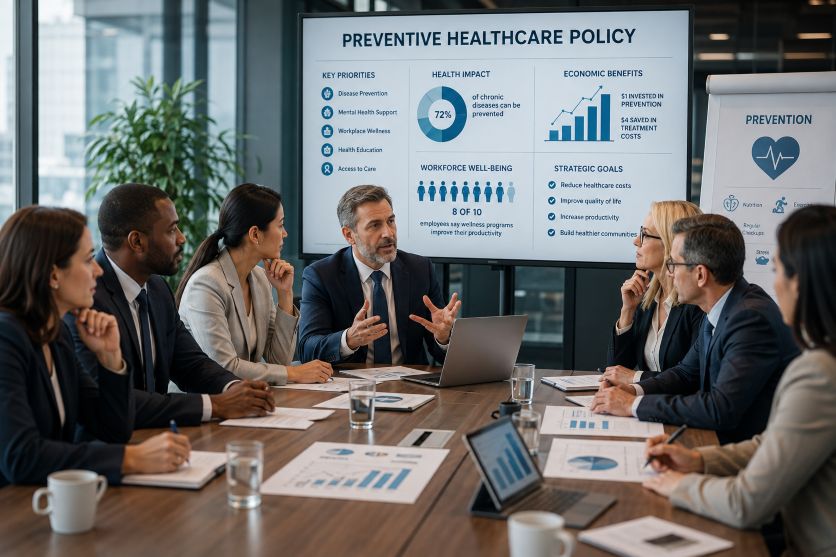
The Growing Cost of Reactive Healthcare
Healthcare systems around the world continue to face rising costs driven by aging populations, chronic illnesses, and increasing demand for treatment. Research published by the Organisation for Economic Co-operation and Development (OECD) shows that preventable chronic conditions account for a significant share of healthcare expenditures across developed economies. Reports from the Centers for Disease Control and Prevention (CDC) also indicate that conditions such as heart disease, diabetes, and obesity contribute substantially to medical spending while affecting employee productivity.
These findings have strengthened the case for investing in prevention rather than focusing exclusively on treatment after illness develops. Workplace wellness programs have become one practical way to encourage healthier habits through exercise initiatives, stress management, nutritional education, and ergonomic improvements.
Preventive investments rarely eliminate healthcare expenses altogether. However, experts note that reducing avoidable health risks may lower absenteeism, improve workforce participation, and decrease long-term medical costs for employers and governments alike.
Finding the Right Balance Between Public and Private Responsibility
A key policy question is whether governments should actively encourage businesses to invest more in preventive wellness or leave those decisions entirely to private employers.
Supporters argue that governments already invest heavily in public healthcare. Encouraging healthier workplaces could reduce future demands on healthcare systems while improving economic productivity. Tax incentives, grants, or voluntary certification programs may motivate organizations to adopt evidence-based wellness initiatives without imposing strict mandates.
Others believe businesses should determine wellness investments independently based on their workforce needs and financial capacity. Smaller employers may struggle to fund comprehensive wellness programs, particularly during periods of economic uncertainty.
The International Labour Organization (ILO) emphasizes that healthy working environments require cooperation among governments, employers, and workers. Rather than placing responsibility on a single group, shared participation often produces more sustainable outcomes.
The Economic Value of Prevention
Wellness investments are increasingly viewed as economic strategies rather than simple employee benefits. Healthy workers generally experience fewer sick days, greater job satisfaction, and stronger engagement.
Studies published in the Journal of Occupational and Environmental Medicine suggest that carefully designed workplace health programs may generate positive returns over time, although results vary depending on program quality and employee participation. Experts caution that wellness initiatives should be evaluated using measurable health outcomes instead of assumptions or marketing claims.
Governments considering financial incentives must therefore balance short-term costs against potential long-term savings. Policies that encourage proven interventions while discouraging ineffective programs may produce stronger public value.
Supporting Recovery Beyond the Office
Modern work has changed significantly as remote and hybrid employment become more common. Many employees now spend long hours sitting at home workstations, while others continue performing physically demanding roles in healthcare, manufacturing, logistics, and construction.
Simple recovery practices can support overall wellness outside traditional workplaces. Stretching, adequate sleep, regular movement, hydration, and ergonomic workspaces remain among the most widely recommended preventive measures.
Some employees also choose wellness technologies designed for personal use, including massage devices, cold therapy products, compression systems, or light-based recovery tools. When used responsibly and following manufacturer guidance, these products may complement healthy routines for some individuals.
Research from the American College of Sports Medicine notes that recovery strategies should match individual needs and current scientific evidence. Importantly, recovery products should never be presented as treatments for medical conditions or substitutes for diagnosis by qualified healthcare professionals.
Employers offering wellness benefits may consider allowing flexible reimbursements for approved recovery resources while maintaining clear policies that prioritize evidence-based practices and employee safety.
Encouraging Innovation Without Lowering Standards
The wellness industry continues to introduce new technologies aimed at supporting recovery, stress management, and physical performance. Innovation can expand consumer choice, but it also creates challenges for policymakers.
The U.S. Food and Drug Administration (FDA) and similar regulatory agencies around the world distinguish between general wellness products and medical devices. This distinction helps protect consumers by ensuring products making medical claims meet appropriate regulatory standards.
Governments seeking to encourage innovation should continue supporting scientific research, transparent product testing, and accurate advertising. Evidence-based regulation helps consumers make informed decisions while allowing responsible companies to develop new solutions.
Public education also plays an important role. Employees should understand the difference between wellness support, preventive habits, and medical treatment. Clear communication reduces unrealistic expectations and promotes safer use of recovery technologies. Similar policy discussions are taking place across other sectors, including urban regulations shaping home service companies, where governments are balancing innovation with consumer protection and consistent regulatory standards.
Building Policies That Benefit Everyone
Preventive workplace wellness is unlikely to solve every healthcare challenge. However, growing evidence suggests that thoughtful investments in employee health can contribute to stronger organizations and healthier communities over time.
The most effective public policies will likely encourage collaboration instead of shifting responsibility entirely to governments or employers. Incentives for evidence-based wellness programs, support for healthy workplaces, continued research, and consumer protections can work together to improve long-term outcomes.
As work environments continue evolving, preventive recovery practices will probably remain an important part of broader wellness strategies. Success will depend on maintaining scientific standards, encouraging innovation responsibly, and recognizing that healthy lifestyles, supportive workplaces, and appropriate medical care each play distinct roles in improving public health.