
In both business and politics, trust is one of the most valuable assets any institution can possess. Customers expect safe commercial environments, employees rely on healthy workplaces, and citizens judge public institutions by how well they maintain shared spaces. While leadership, policies, and branding often receive the most attention, one important factor quietly shapes public perception every day, cleanliness. Trusted cleaning experts (خبراء تنظيف موثوقون) play a major role in supporting the credibility, professionalism, and operational standards of organizations.
From corporate offices and hospitals to government facilities and community buildings, sanitation services contribute directly to how institutions are viewed by the public.
Clean Environments Influence Public Perception
First impressions matter in both commercial and political settings. A clean office lobby, sanitized hospital waiting room, or well-maintained government building communicates organization, discipline, and accountability. In contrast, neglected spaces can quickly damage confidence and create doubts about management standards. Among businesses for example, cleanliness is extremely important as it easily affects:
- Customer satisfaction
- Employee morale
- Brand reputation
- Workplace safety
- Regulatory compliance
In politics and public administration, sanitation standards can also symbolize broader governance priorities. Clean public infrastructure often reflects efficiency, investment in community welfare, and attention to detail.
Citizens may not consciously think about sanitation when evaluating institutions, but physical environments strongly influence trust and perception.
Cleaning Services as Operational Infrastructure
Modern cleaning companies are no longer viewed simply as maintenance providers.
They have evolved into highly organized service operations that support critical infrastructure across multiple industries.
Professional sanitation teams have undergone thorough training to be able to manage:
- Office cleaning schedules
- Hospital disinfection procedures
- Public facility maintenance
- Water tank sanitation
- Waste management coordination
- Specialized industrial cleaning
Many organizations depend on these services to meet safety standards and maintain uninterrupted operations.
To give you an example, healthcare facilities require strict sanitation protocols to reduce contamination risks. Corporate environments need clean workspaces to support employee productivity and client confidence. Government buildings must maintain hygienic conditions for both staff and public visitors.
Without dependable cleaning systems, even well-managed institutions can struggle to maintain operational credibility.
The Link between Cleanliness and Accountability
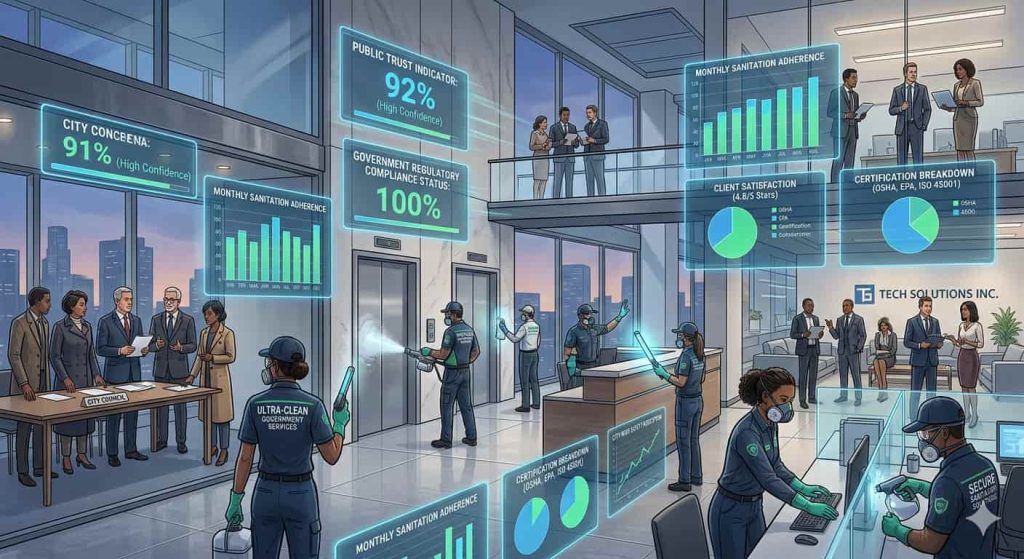
In the political sphere, public cleanliness is often connected to accountability and governance. Citizens frequently associate well-maintained infrastructure with responsible leadership and effective public administration.
A neglected public environment may create the impression of disorganization or lack of oversight, while clean and orderly spaces reinforce confidence in institutional management. This is particularly important during periods when public health and safety become major political concerns. Clean environments help demonstrate that authorities are prioritizing citizen welfare and operational responsibility.
Technology is Professionalizing the Cleaning Industry
Today’s trusted cleaning experts rely heavily on technology and structured management systems to maintain consistency and reliability. Modern cleaning companies increasingly use:
- Workforce management software
- Digital inspection reports
- Real-time scheduling systems
- Mobile communication tools
- Quality-control tracking platforms
These technologies allow service providers to document completed tasks, monitor staff performance, and improve transparency for clients.
In large organizations, cleaning operations may involve dozens or even hundreds of personnel working across multiple sites. Digital systems help ensure that sanitation standards remain consistent and verifiable.
This level of organization positions cleaning companies as professional operational partners rather than informal support services.
Supporting Stability in Public and Private Institutions
Trusted cleaning experts contribute to institutional stability in ways that often go unnoticed. By maintaining safe and hygienic environments, they help organizations reduce disruptions, improve comfort, and reinforce public confidence. Their work supports several elements such as health and safety compliance, employee productivity, customer retention, public satisfaction, and long-term facility maintenance
In business, this can strengthen brand loyalty and operational efficiency. In politics and public administration, it can contribute to perceptions of competence and responsible governance.
Although sanitation professionals usually operate behind the scenes, their impact extends far beyond appearance. They help maintain the environments where business transactions occur, public services operate, and communities interact daily.
Cleaning Experts behind the Scenes of Political and Business Landscape
Cleanliness is more than a cosmetic concern. In both business and politics, it is closely tied to trust, professionalism, and institutional credibility. Trusted cleaning experts help organizations maintain the standards that shape public confidence and operational stability.
As sanitation services become increasingly structured and technology-driven, their role within modern institutions continues expanding. From corporate offices and hospitals to government facilities and public infrastructure, professional cleaning teams support the systems that people rely on every day.
While their work often happens quietly in the background, trusted cleaning experts remain essential contributors to healthy environments, positive public perception, and the long-term credibility of both private and public institutions.